From a Dream to a PhD: The Academic Journey of Taufiq Effendi
In the name of Allah, and all praise is due to Allah.
By the permission and help of Allah, the moment I had long been waiting for finally arrived. As Indonesians were joyfully celebrating the country’s 81st Independence Day, I was anxiously awaiting my doctoral examination, or viva, at Queen’s University Belfast in Northern Ireland, United Kingdom.
As I waited for the viva to begin, my thoughts drifted back to Sydney in May 2014. Amid a marathon of final assignments at the University of New South Wales (UNSW), I was completing my third master’s programme. I had previously studied for an MA in Muslim Cultures at Aga Khan University in London in 2008–2009, followed by an M.Ed. in TESOL during my first year at UNSW and an M.Ed. in Assessment and Evaluation in my second year.
“Bun, I hope one day I can do a PhD overseas too,” I said to my wife.
“Ameen. Why?” she asked.
“اَلْحَمْدُ لِلّٰهِ (Alhamdulillah), Amira has had the opportunity to go to school in Sydney. Hopefully, her younger sibling will also have the chance to experience schooling abroad one day.”
“Ameen. إِنْ شَاءَ اللّٰهُ (Insha’Allah),” replied my wife, who at the time was pregnant with our second child.
My memories then travelled further back, to January 2009, when my wife and I experienced snow for the first time in London. In that moment of gratitude, a prayer crossed my mind: perhaps one day we could return to the UK with our children.
But my dream of studying abroad had actually begun much earlier.
Around July 1999, while living at the Tanmiyat residential centre for blind people in Bekasi, I heard a friend talking about having family in Australia.
“How could I possibly get abroad one day?” I wondered.
At that time, my own educational journey was filled with uncertainty. After several unsuccessful eye operations, I had dropped out of senior high school for two years. اَلْحَمْدُ لِلّٰهِ, I eventually managed to return to school in Bekasi. At Tanmiyat, I learned Braille while gradually learning to accept my destiny as a blind person. I was determined that my condition should not leave my parents continually worrying about the future of their youngest child. I had to work towards independence and repay their sacrifices through hard work.
After graduating from high school, however, my ambition to attend university had to be postponed again. Given the realities of my circumstances at the time, I was encouraged to undertake a two-year course in Shiatsu massage so that I would have a practical skill with which to support myself independently.
After only one semester, I moved to the Wyata Guna residential centre for blind people in Bandung to study Shiatsu there, hoping that I might obtain a scholarship for a three-year diploma in Shiatsu in Japan. By the time I arrived, however, applications had already closed. I was subsequently accepted into a two-year music programme.
Yet, after just one semester of studying music, my desire to attend university grew stronger. I decided to leave the music programme and eventually became a student at Universitas Negeri Jakarta (UNJ).
Although this winding journey meant that I entered university about three years later than many of my peers, my enthusiasm for education never disappeared. When I owned my first USB flash drive, I even named it:
“Effendi, PhD.”
At the time, I had no idea how I could possibly reach a PhD. I simply had a target: if possible, I wanted to complete a PhD by the age of 33.
اَلْحَمْدُ لِلّٰهِ, one year after completing my undergraduate degree as one of UNJ’s outstanding graduates and after a year teaching at the Faculty of Educational Sciences of UNJ (2007-2008), I received a scholarship to pursue a master’s degree in London at the age of 26.
“It looks like I might actually be able to finish a PhD by 33,” I thought as I began studying at the School of Oriental and African Studies (SOAS), University of London, in August 2008.
But life does not always unfold according to our plans.
قَدَّرَ اللّٰهُ وَمَا شَاءَ فَعَلَ.
Allah has decreed, and He does whatever He wills.
After approximately one year, I had to return to Indonesia because my wife was experiencing a particularly difficult pregnancy with our first child. My studies were therefore put on hold.
In 2012, اَلْحَمْدُ لِلّٰهِ, I received an Australian Development Scholarship and had the opportunity to continue my studies at the University of New South Wales (UNSW) in Sydney, where I went on to undertake two master’s programmes.
My goal of completing a PhD by the age of 33 did not materialise, but the dream of pursuing doctoral study overseas never completely disappeared. The opportunity finally came through the Beasiswa Pendidikan Indonesia (Indonesian Education Scholarship) in 2021.
After going through a long process, اَلْحَمْدُ لِلّٰهِ, on 15 September 2022, at the age of 40, my wife (Ita Yunita), our two children (Amira Rafifa Effendi and Kenzie Albirru Effendi), and I finally arrived in Belfast—the city famous as the birthplace of the Titanic. The prayer that had crossed my mind as the snow fell in London in 2009—that one day we might return to the UK with our children—had finally become a reality.
The Long-Awaited Day
Almost four years later, the day of my doctoral viva finally arrived.
“Taufiq, are you ready? The examiners are here,” called Allen, a professor and one of my supervisors.
Both of my doctoral supervisors were from Scotland. The viva was chaired by a professor, with an internal examiner and an external examiner whose backgrounds were Irish and Scottish.
The examination began.
One by one, I answered and elaborated on questions concerning my research, methodology, theoretical framework, findings, and the contribution of my thesis to the best of my ability.
اَلْحَمْدُ لِلّٰهِ, the chair and both examiners told me that they were very impressed by the way I elaborated on my answers throughout the viva. Their appreciation meant a great deal to me after years of reading, researching, writing, and refining the arguments presented in my thesis.
After the questions had concluded, Allen and Alison, my two supervisors, were asked to leave the room.
At that moment, I broke down in tears.
I remembered the struggles, difficulties, and challenges I had faced throughout my doctoral studies, and how my two supervisors had never stopped supporting, encouraging, and reassuring me.
“They’ve been highly supportive,” I told the chair and the examiners.
Then came the wait for the decision. My wife, my two supervisors, and I waited for the outcome of the viva.
Finally, the decision was announced.
اَلْحَمْدُ لِلّٰهِ.
I had passed my PhD with no corrections. My doctoral thesis was accepted as submitted.
My wife and I burst into tears.
It had been a long journey: a detached retina and damaged optic nerve, a series of unsuccessful eye operations, my parents taking out bank loans to pay for those operations, dropping out of high school for two years, learning Braille at a residential centre for blind people, studying Shiatsu massage, moving to Bandung, hoping to study in Japan, briefly attending music school, finally entering UNJ, and then continuing my journey through London, Sydney, and ultimately Belfast.
I did not achieve my original goal of completing a PhD by the age of 33. Yet this journey has taught me that our prayers are not always answered according to the timetable we set for ourselves.
Some dreams have to wait. Some plans have to change. Sometimes the road takes a long and unexpected turn before eventually leading us towards the destination we once dreamed of.


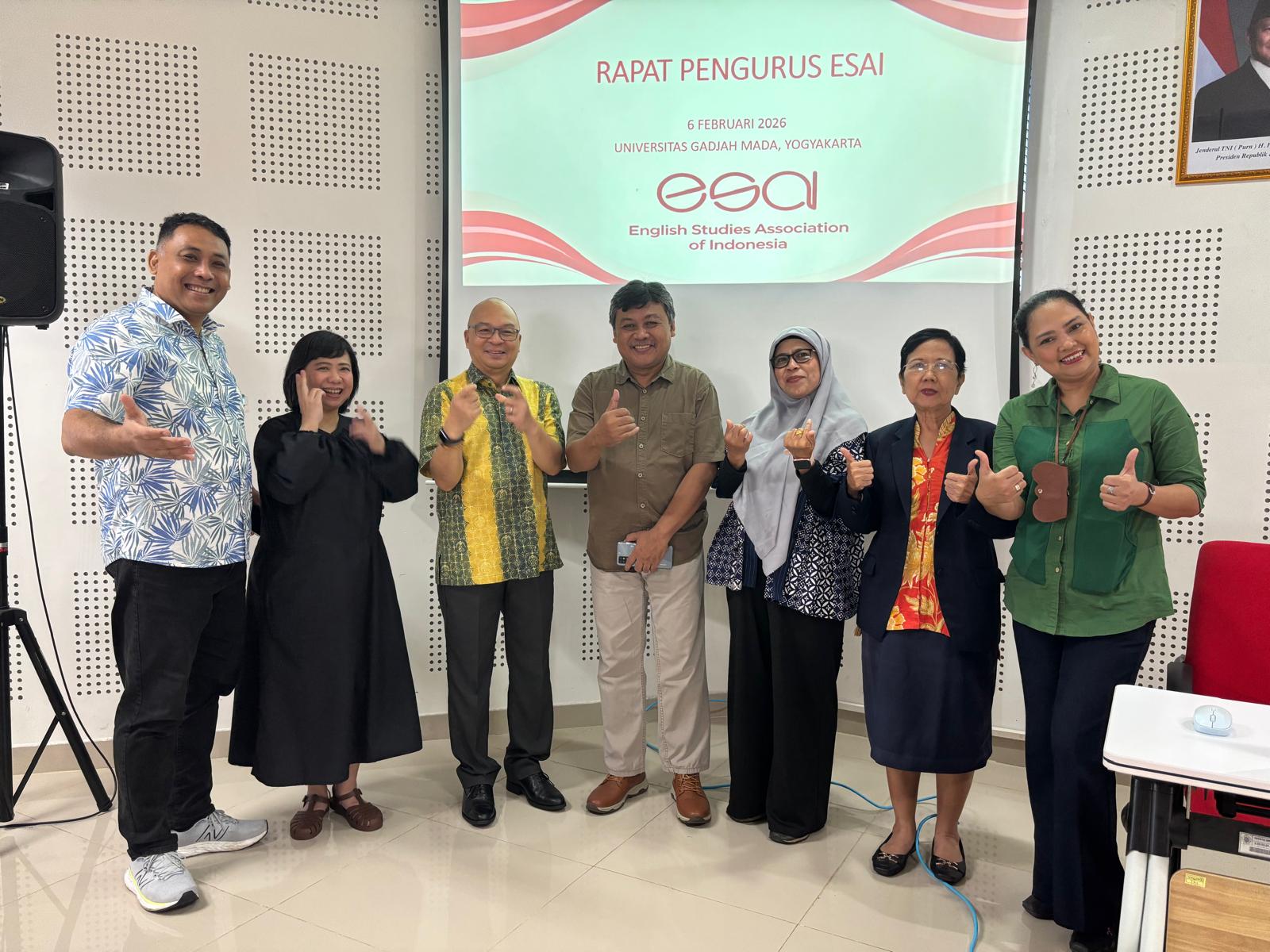
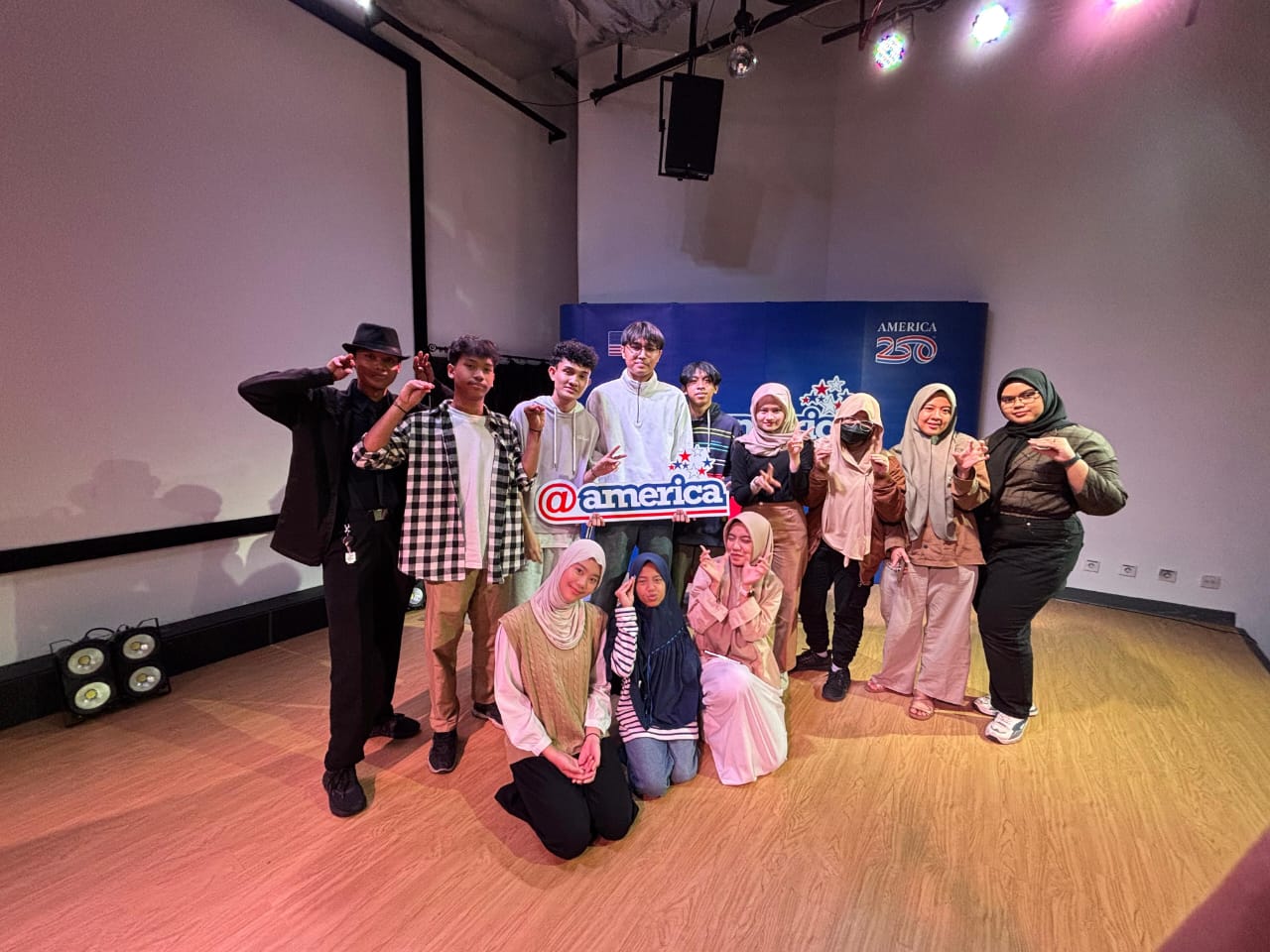
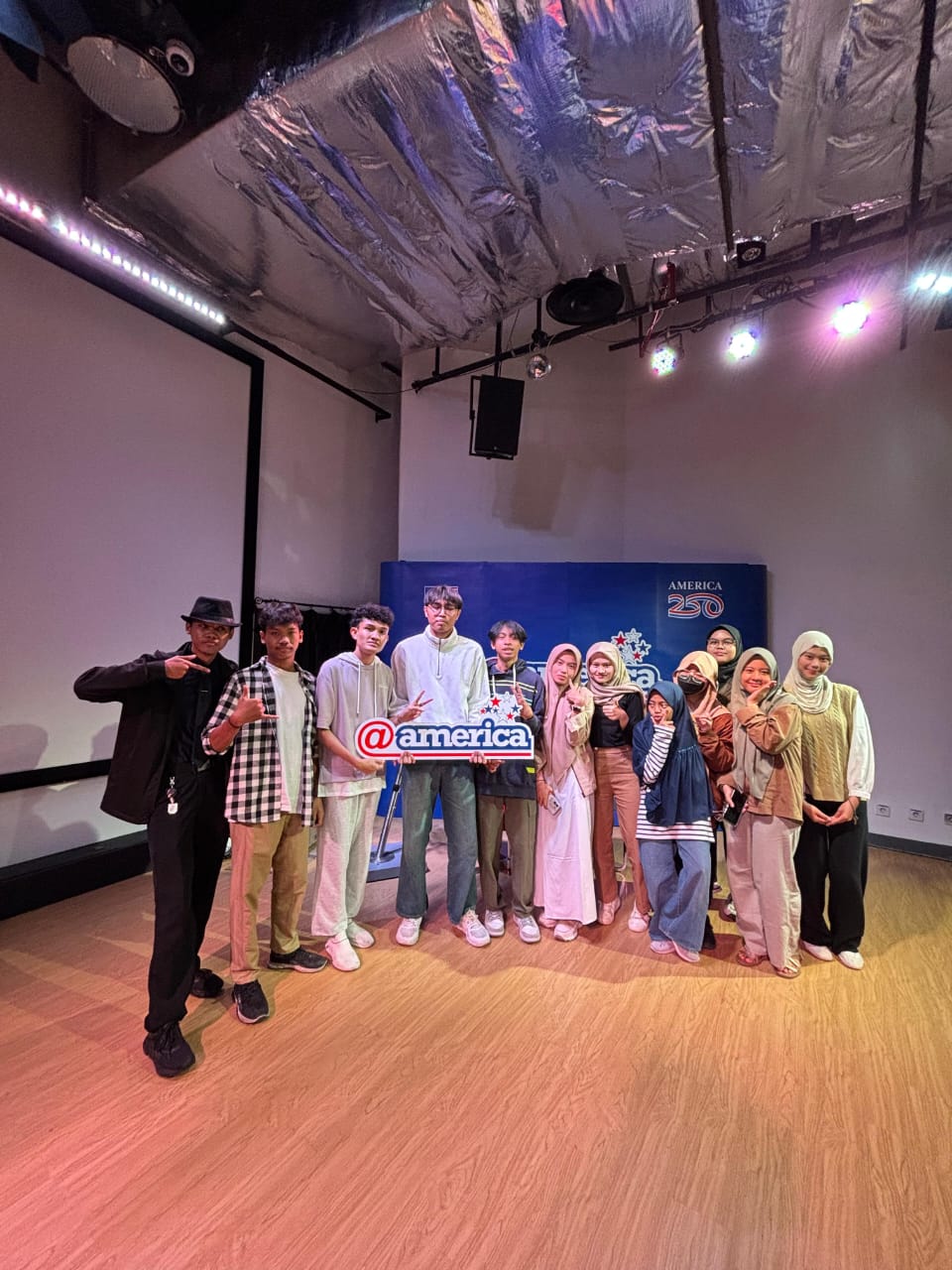
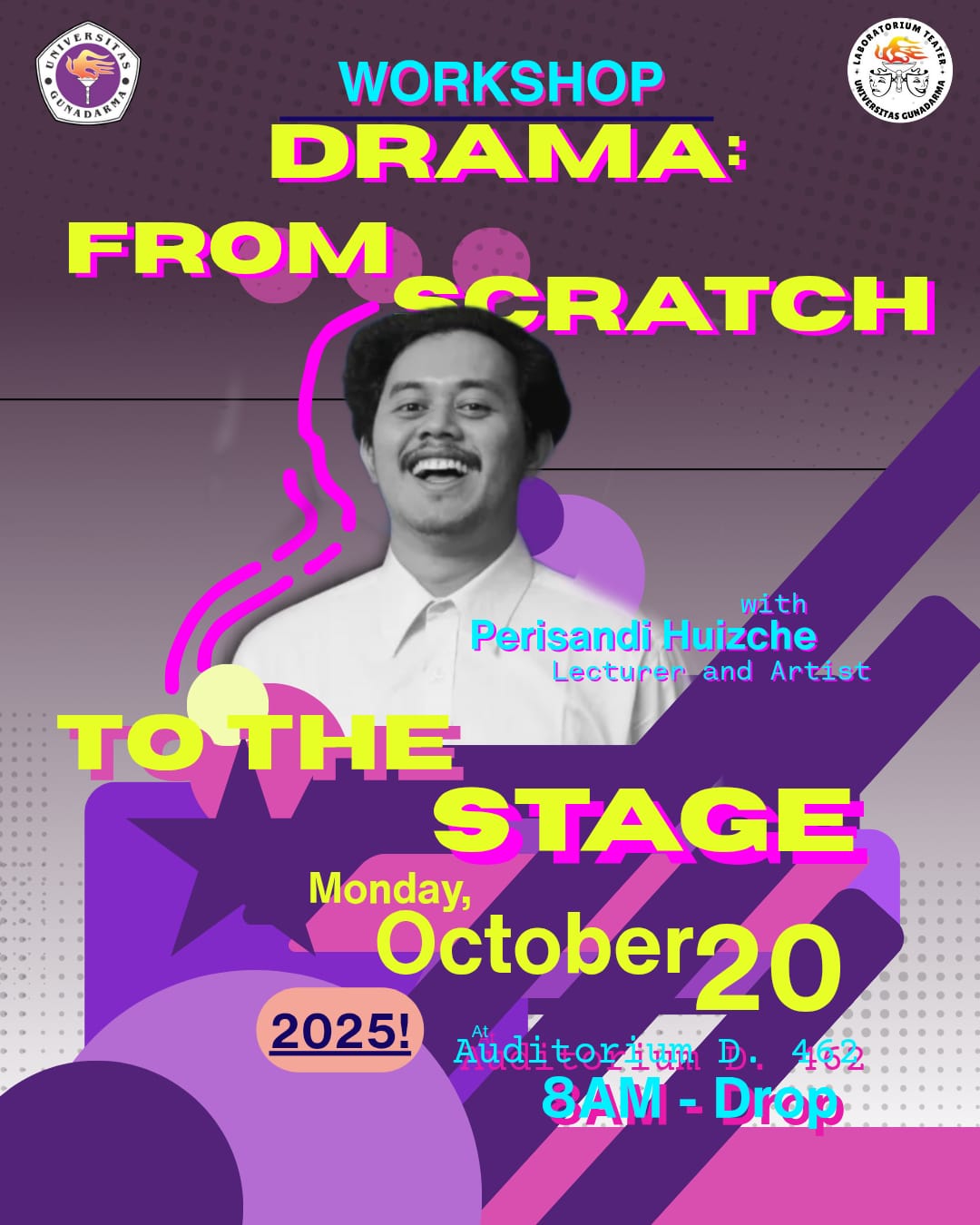
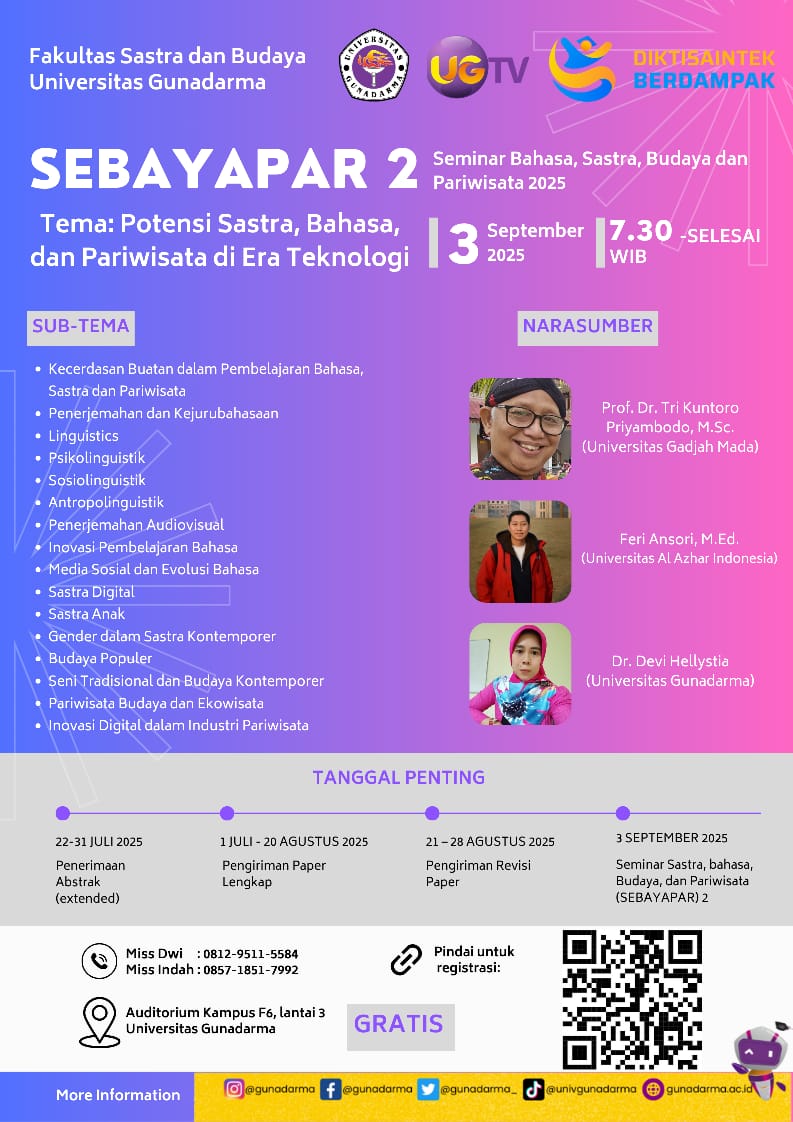
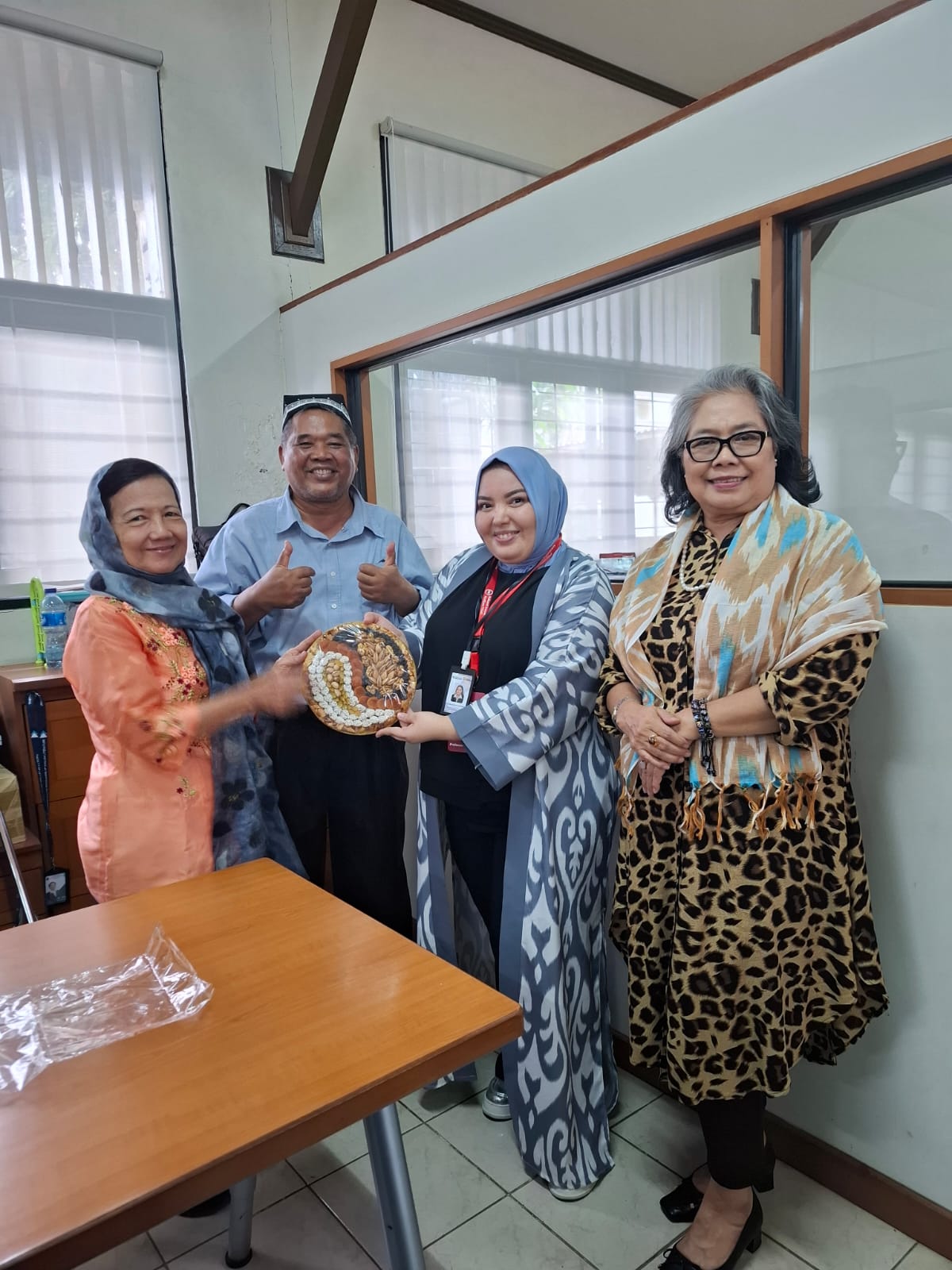
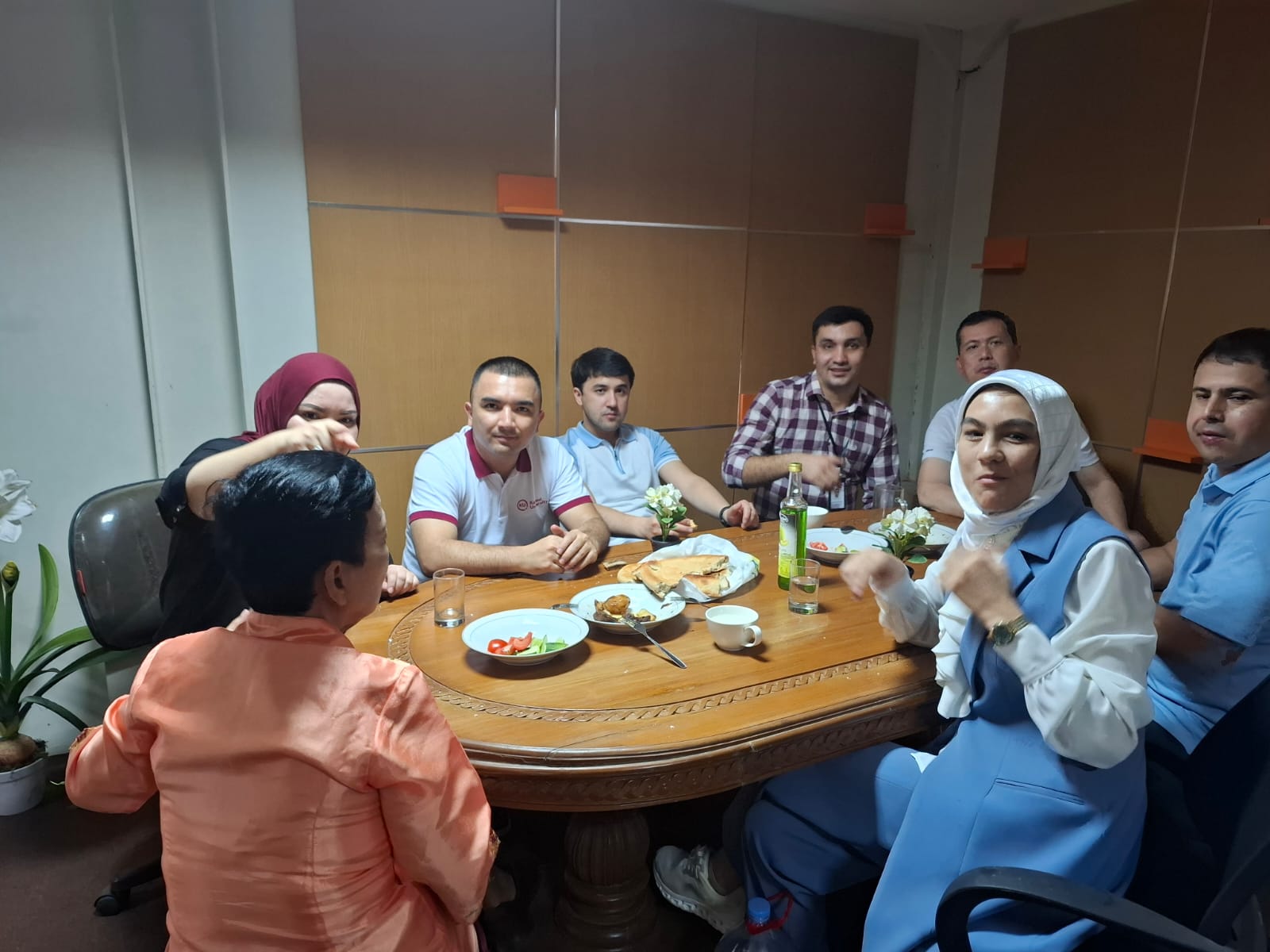


 In August2023, the lecturer of UPEL, as well as the vice dean 1 of the faculty of letters and cultures, Universitas Gunadarma, was invited to the webinar “Publikasi Tanpa Plagiasi”. The webinar was held by Universitas Terbuka. In this event, Dr. Ahmad Jum’a Khatib Nur Ali, M.Si was invited as a speaker in the Series of Webinar in Universitas Terbuka, Jambi.


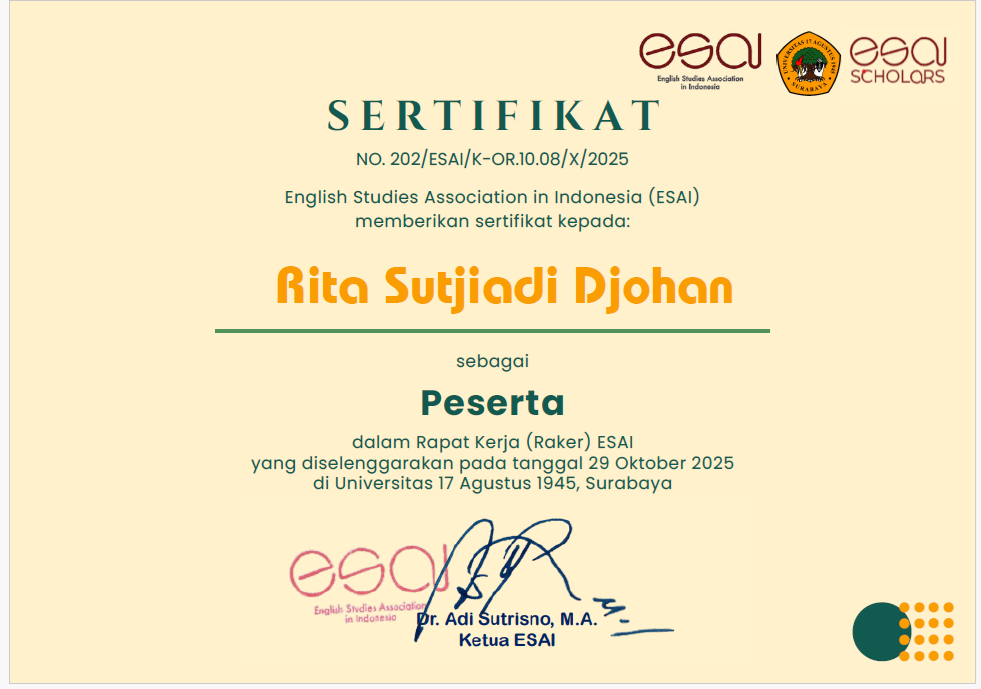
 In April 2023, the programme director of UPEL was invited to the workshop “Innovative and Effective Teaching Method”. This workshop was held by the English Department, Widyatama University. In this event, Dr. Rita Sutjiati Djohan was invited as a speaker in the training of Improving Teaching Ability in the Field of English.


